
Ride the Future
BusBuddy
Smartwatch application for children with intellectual disabilities
my ROLE
Project Leader & UX/UI Lead
Timeline
6 months
2023
project TEAM
Linnéa Isaxon, Agnes Hörnsten, Jonathan Gärtner, Louise Vomhoff, Oskar Rånlund, Tova Gelin, Ulrik Andersson
Overview
Supporting independent travel aboard autonomous shuttles
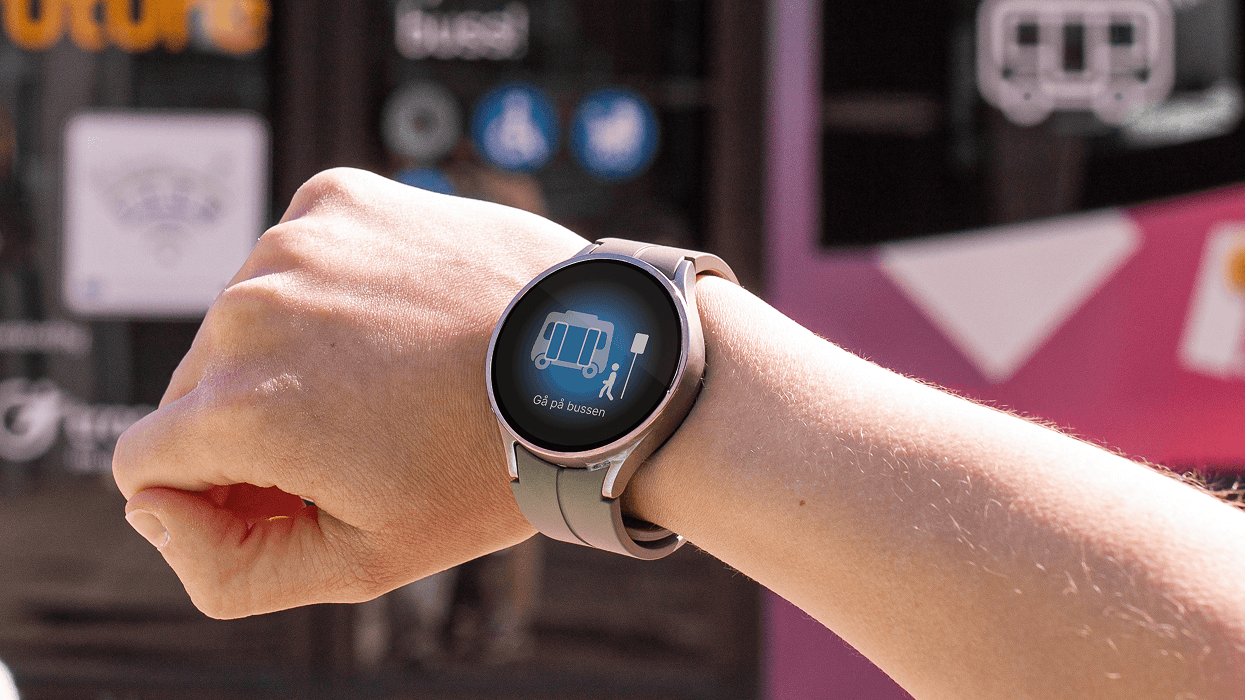
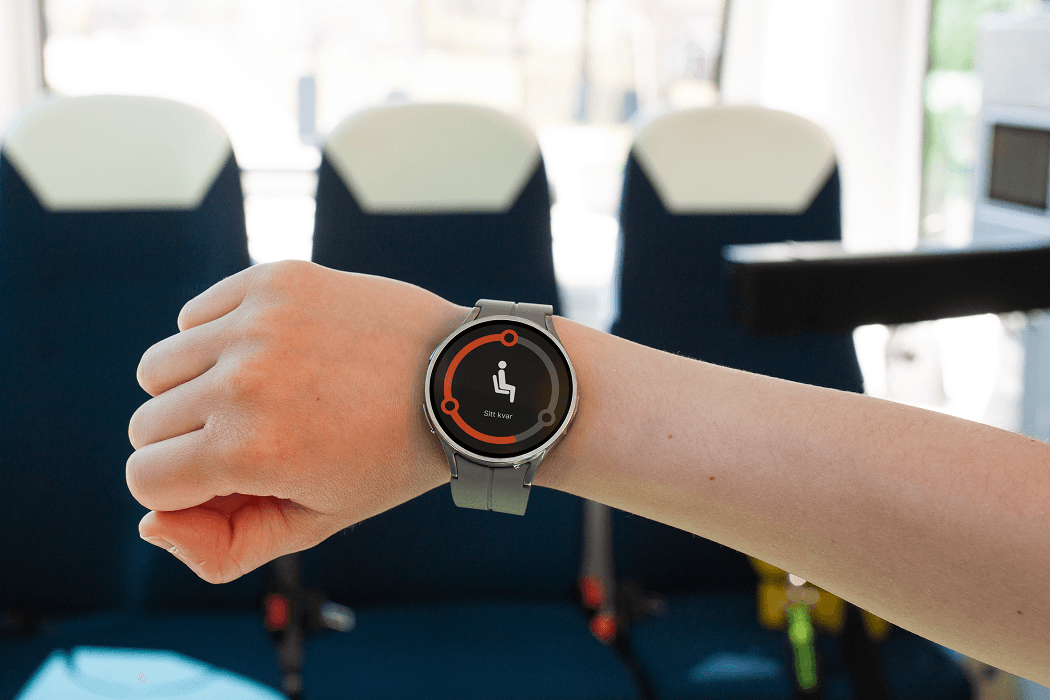
BusBuddy is a smartwatch-based concept designed to support children with intellectual disabilities (ID) in navigating autonomous public transport more safely and independently. As autonomous shuttles remove the driver as a source of help and reassurance, the project support systems that can guide the user through the journey step by step, from boarding the right bus to getting off at the right stop.
Overview
Supporting independent travel aboard autonomous shuttles
BusBuddy is a smartwatch-based concept designed to support children with intellectual disabilities (ID) in navigating autonomous public transport more safely and independently. As autonomous shuttles remove the driver as a source of help and reassurance, the project support systems that can guide the user through the journey step by step, from boarding the right bus to getting off at the right stop.
The challenge
A new accessibility gap in autonomous transport
Autonomous shuttles are often presented as a future solution for more flexible and accessible public transport. But when the driver disappears, so does a layer of informal support: there is no one to ask for help, confirm that you are on the right bus, or remind you when to get off.
For children with intellectual disabilities, travelling independently can already be difficult because the journey depends on timing, sequence, predictability, and confidence. When human support disappears, that uncertainty becomes even harder to manage. This creates a new accessibility gap: even if the vehicle can drive itself, the journey may still be too difficult to understand and trust independently.
Key problems
There is no driver to ask for help
The shuttle’s behaviour can be difficult to interpret and predict
Key target group needs
0
1
Step by step
Children with ID rely heavily on routine and understanding what is happening in the nearest future.
0
2
Supported independence
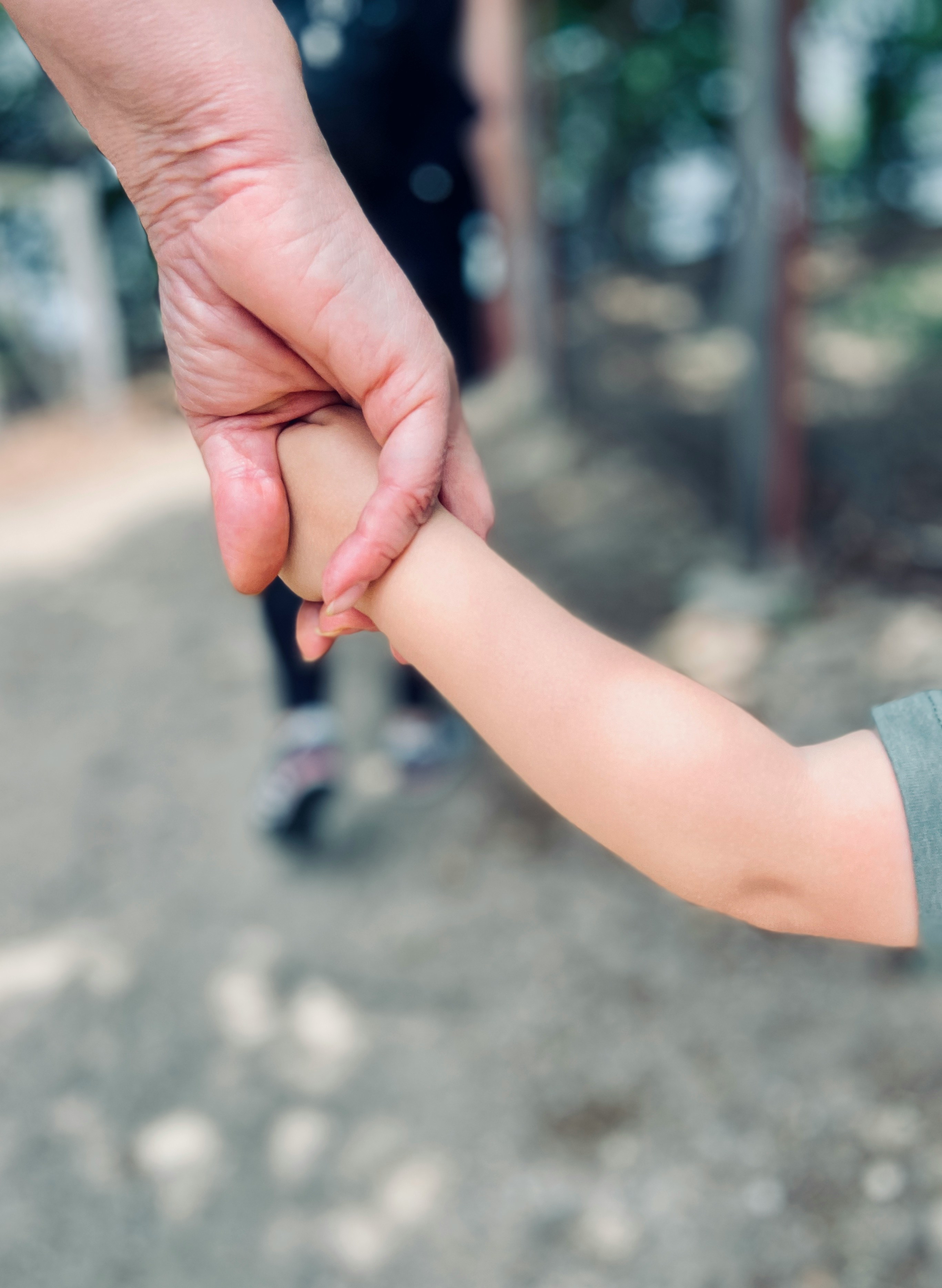
They want to do things on their own, but still need support that feels predictable and safe.

0
3
Managing uncertainty
Unexpected changes and events can quickly trigger anxiety.
Opportunity
How might we support children with ID* in navigating autonomous public transport safely and independently?
*ID = Intellectual disability
The challenge
A new accessibility gap in autonomous transport
Autonomous shuttles are often presented as a future solution for more flexible and accessible public transport. But when the driver disappears, so does a layer of informal support: there is no one to ask for help, confirm that you are on the right bus, or remind you when to get off.
For children with intellectual disabilities, travelling independently can already be difficult because the journey depends on timing, sequence, predictability, and confidence. When human support disappears, that uncertainty becomes even harder to manage. This creates a new accessibility gap: even if the vehicle can drive itself, the journey may still be too difficult to understand and trust independently.
Key problems
There is no driver to ask for help
The shuttle’s behaviour can be difficult to interpret and predict
Key target group needs
0
1
Step by step
Children with ID rely heavily on routine and understanding what is happening in the nearest future.
0
2
Supported independence
They want to do things on their own, but still need support that feels predictable and safe.
0
3
Managing uncertainty
Unexpected changes and events can quickly trigger anxiety.
Opportunity
How might we support children with ID* in navigating autonomous public transport safely and independently?
*ID = Intellectual disability
Research insights
Understanding the target group
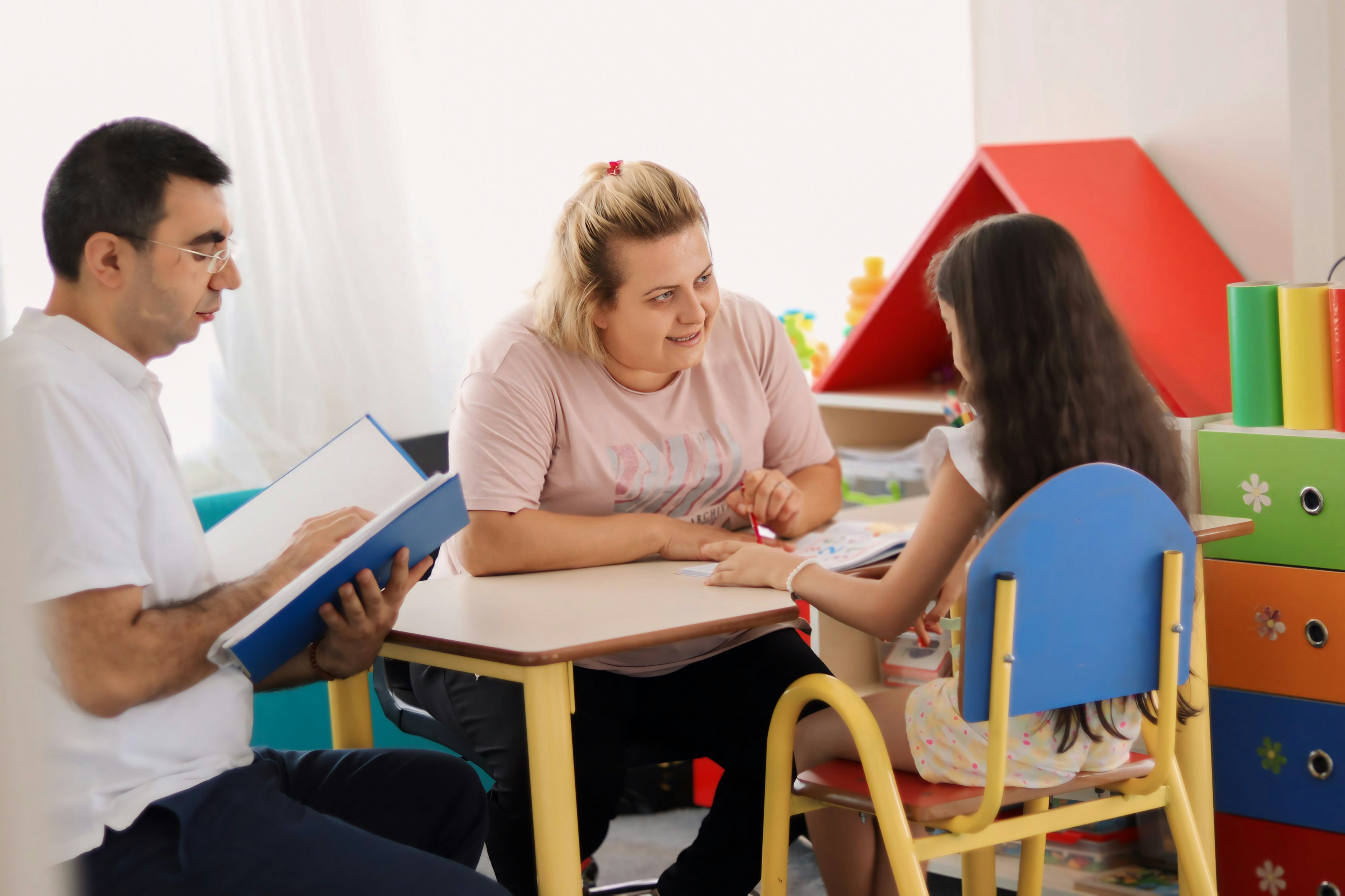
The research phase included visits to a local special education classroom, observations of the target group, interviews with teachers and parents, and literature studies. These activities helped us understand the group’s needs around everyday skills, structure, predictability, and managing time, as well as how those needs shape independent travel.
The children need autonomy, but still rely on support that is predictable and available at the right moment.
Uncertainty around time, sequence, and what happens next can quickly create stress. Clear structure makes the journey easier to understand and manage.
Clear visual cues and direct guidance are easier to understand than abstract or complex communication.
Existing support tools
For a target group that relies heavily on routine and familiarity, a key design decision was to draw inspiration from tools that the target group already uses.
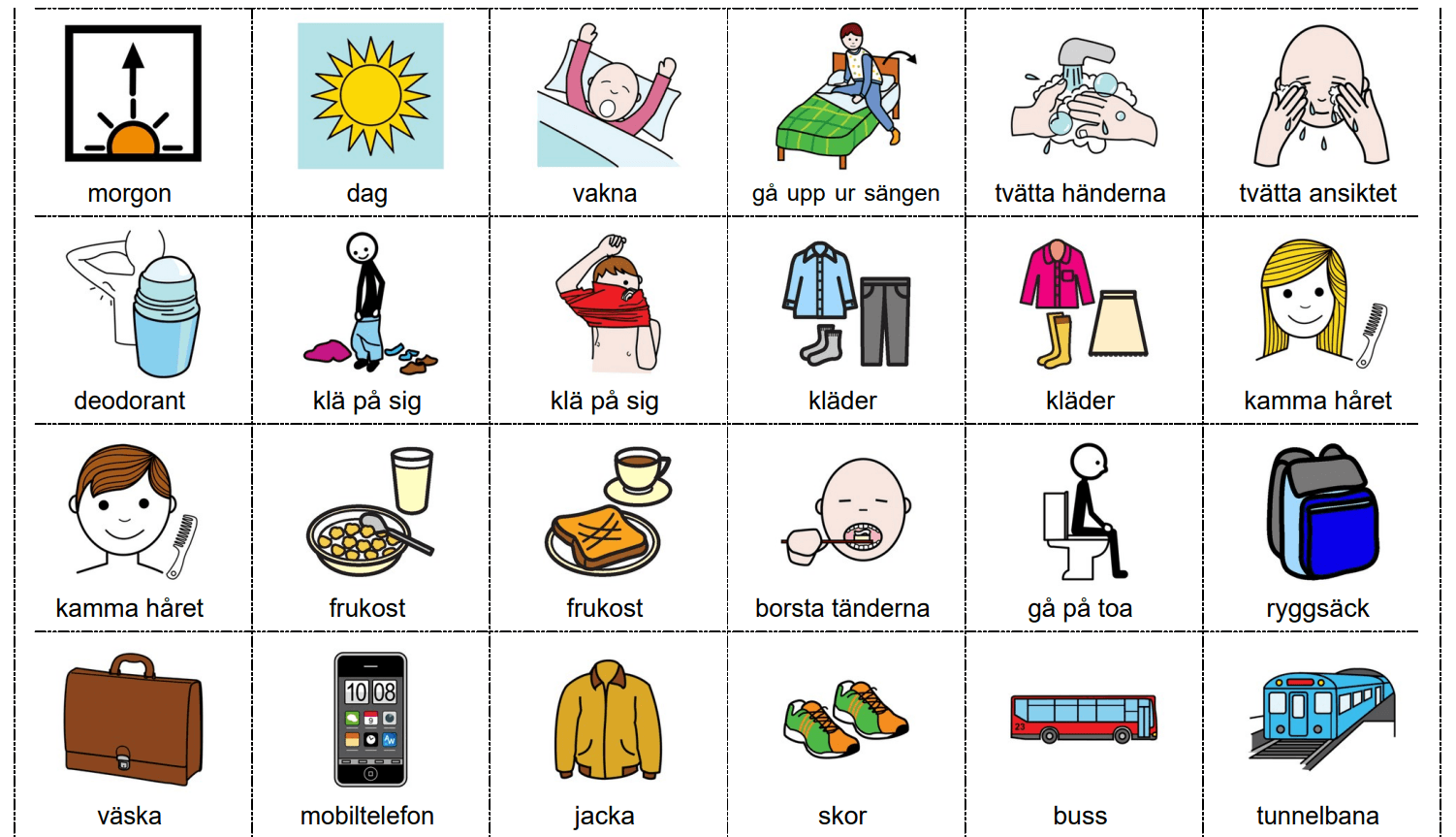
Visual support, commonly used for communicating with people with ID
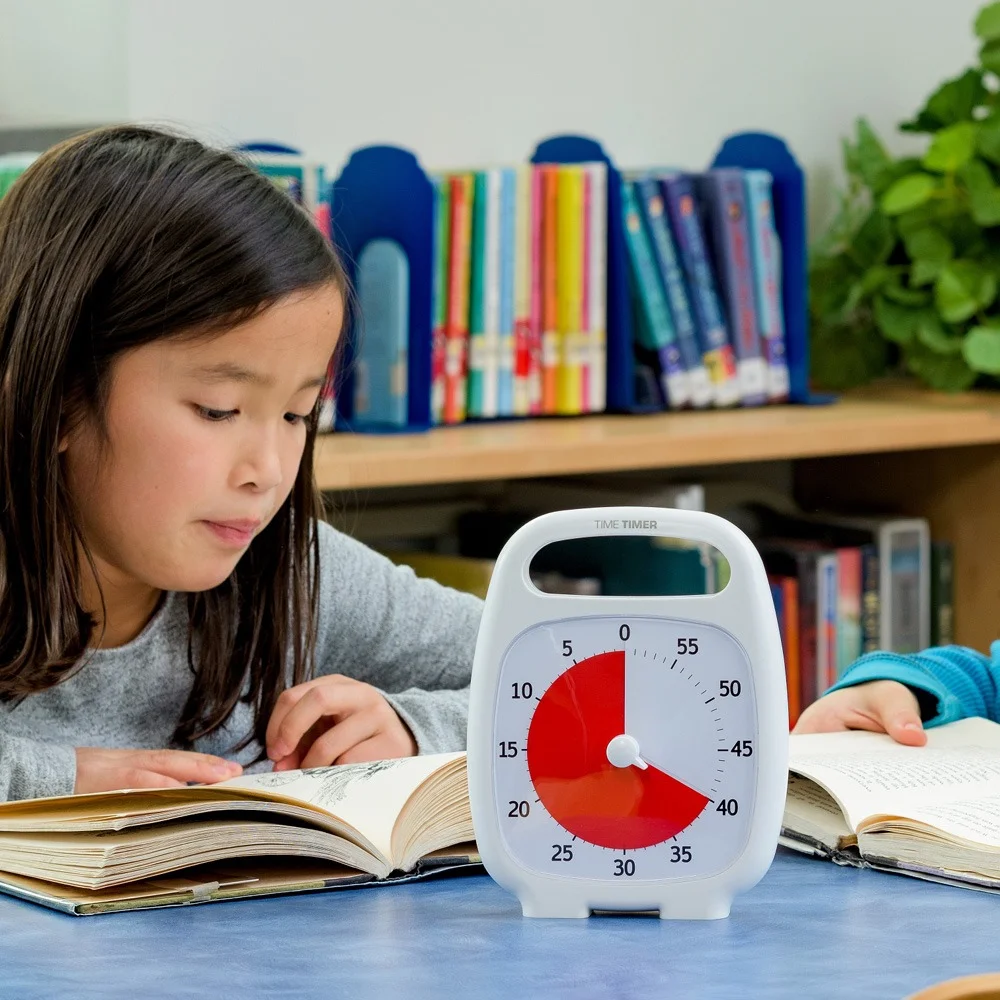
TimeTimer, commonly used tool for time management among the target group
Research insights
Understanding the target group
The research phase included visits to a local special education classroom, observations of the target group, interviews with teachers and parents, and literature studies. These activities helped us understand the group’s needs around everyday skills, structure, predictability, and managing time, as well as how those needs shape independent travel.
The children need autonomy, but still rely on support that is predictable and available at the right moment.
Uncertainty around time, sequence, and what happens next can quickly create stress. Clear structure makes the journey easier to understand and manage.
Clear visual cues and direct guidance are easier to understand than abstract or complex communication.
Existing support tools
For a target group that relies heavily on routine and familiarity, a key design decision was to draw inspiration from tools that the target group already uses.
Visual support, commonly used for communicating with people with ID
TimeTimer, commonly used tool for time management among the target group
Concept development
Exploring concept directions
Based on the research insights, the concept development focused on how support could be delivered throughout the journey without becoming distracting or overwhelming. The design work explored several directions for where guidance should live, how it should communicate, and how the journey could be broken into understandable steps.


Main ideation questions

How does the autonomous shuttle communicate its progress?
How do we signal the user what they need to do right now?
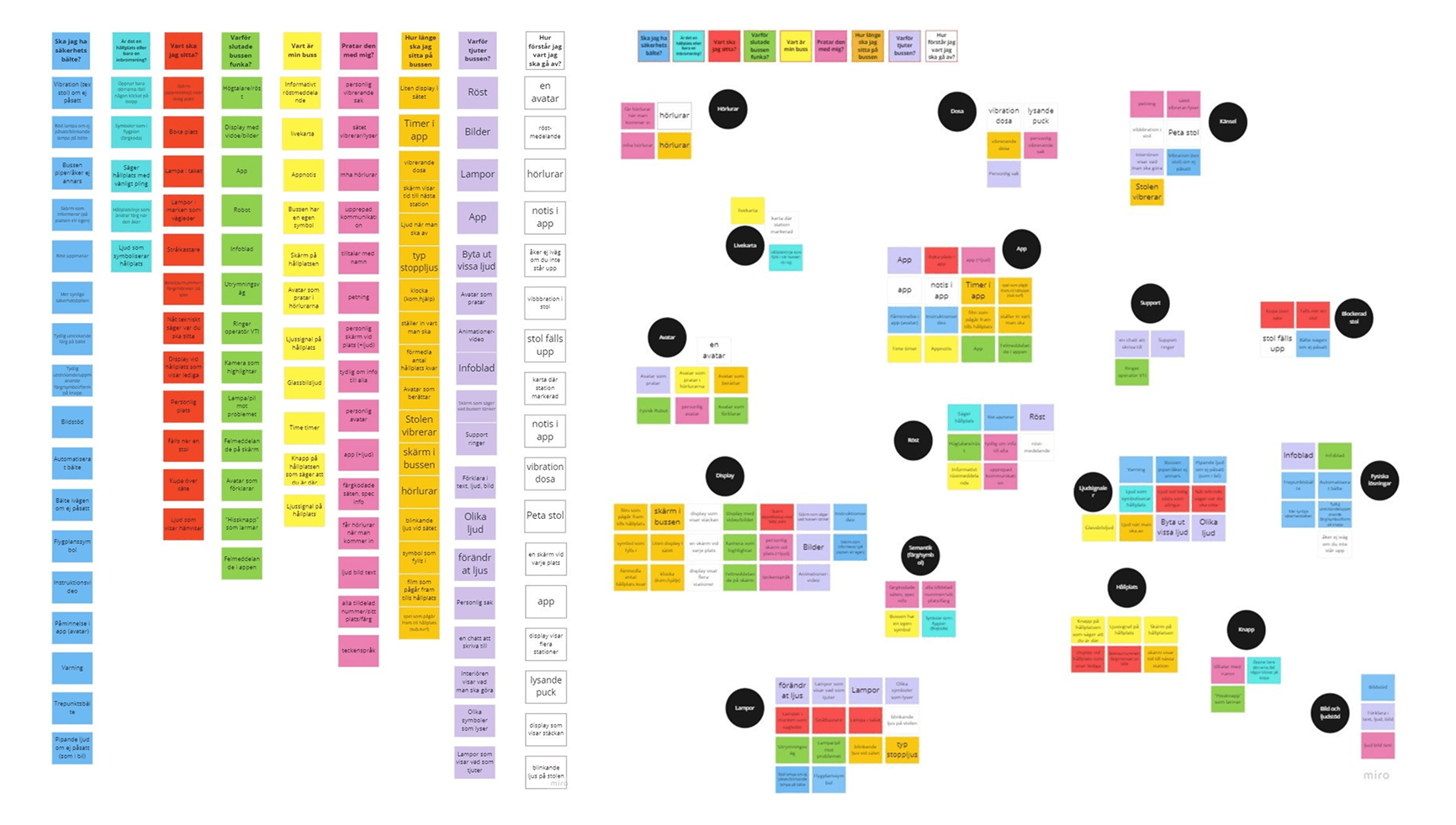

Par of one of the sessions brainstorming solutions

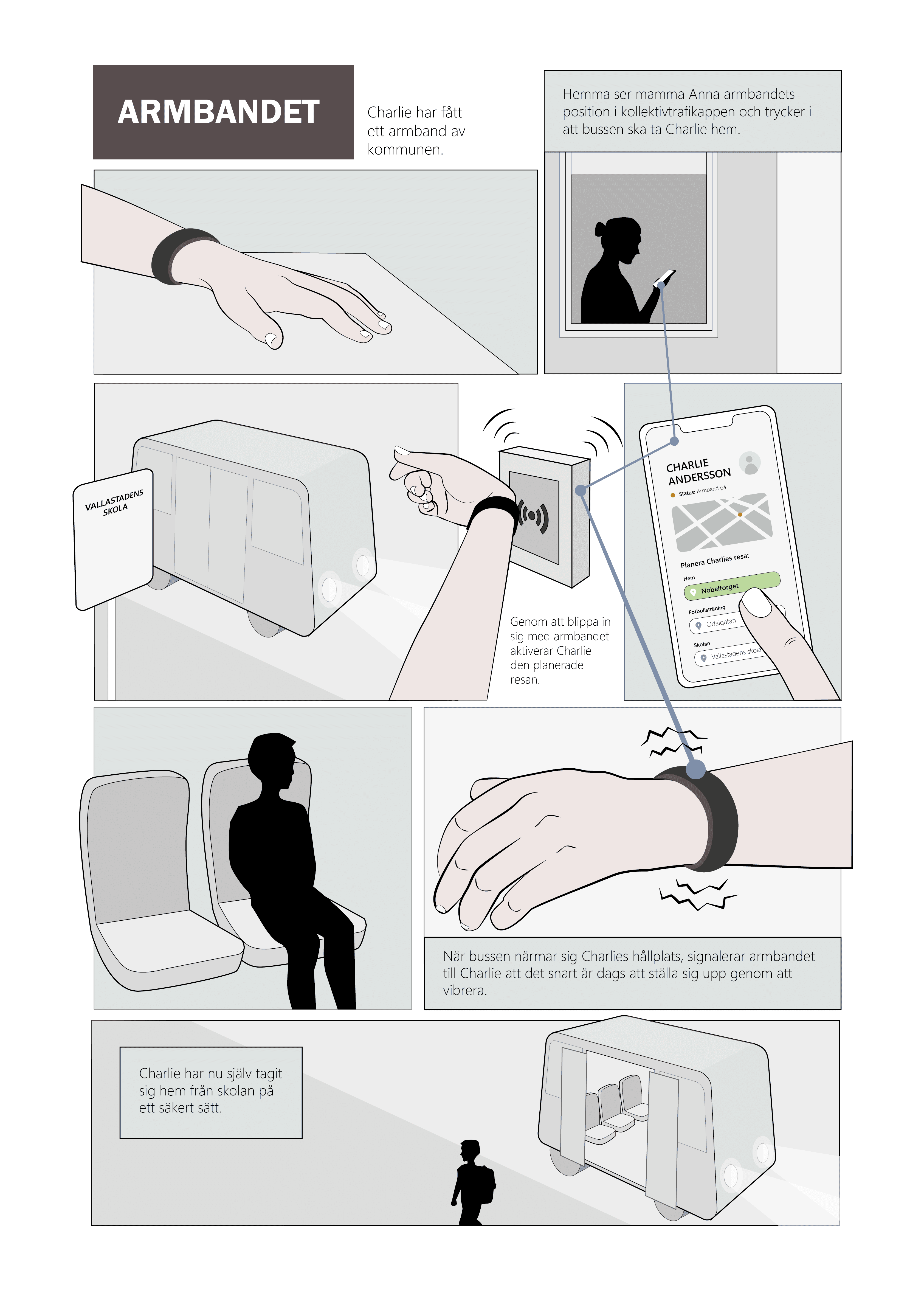
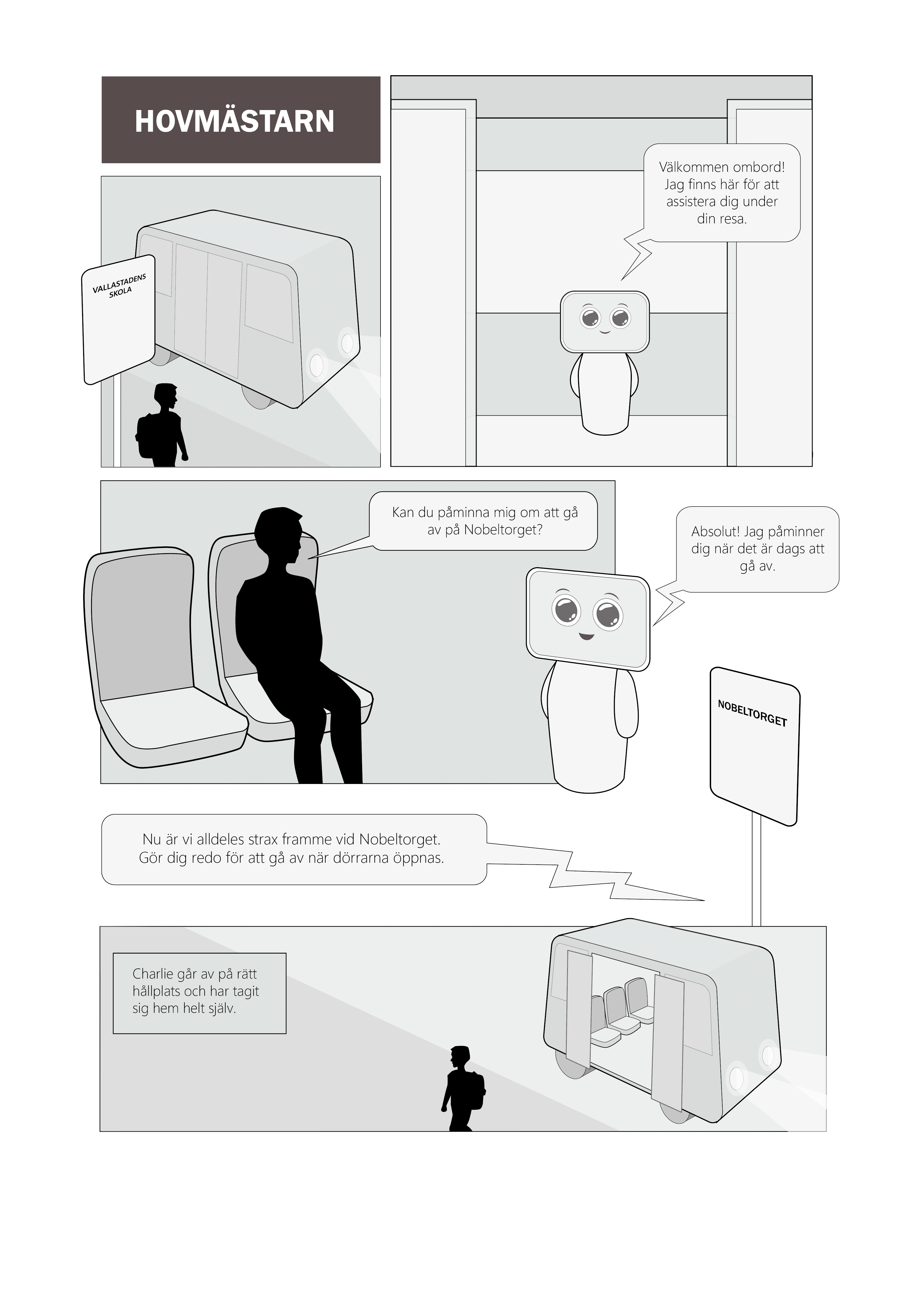
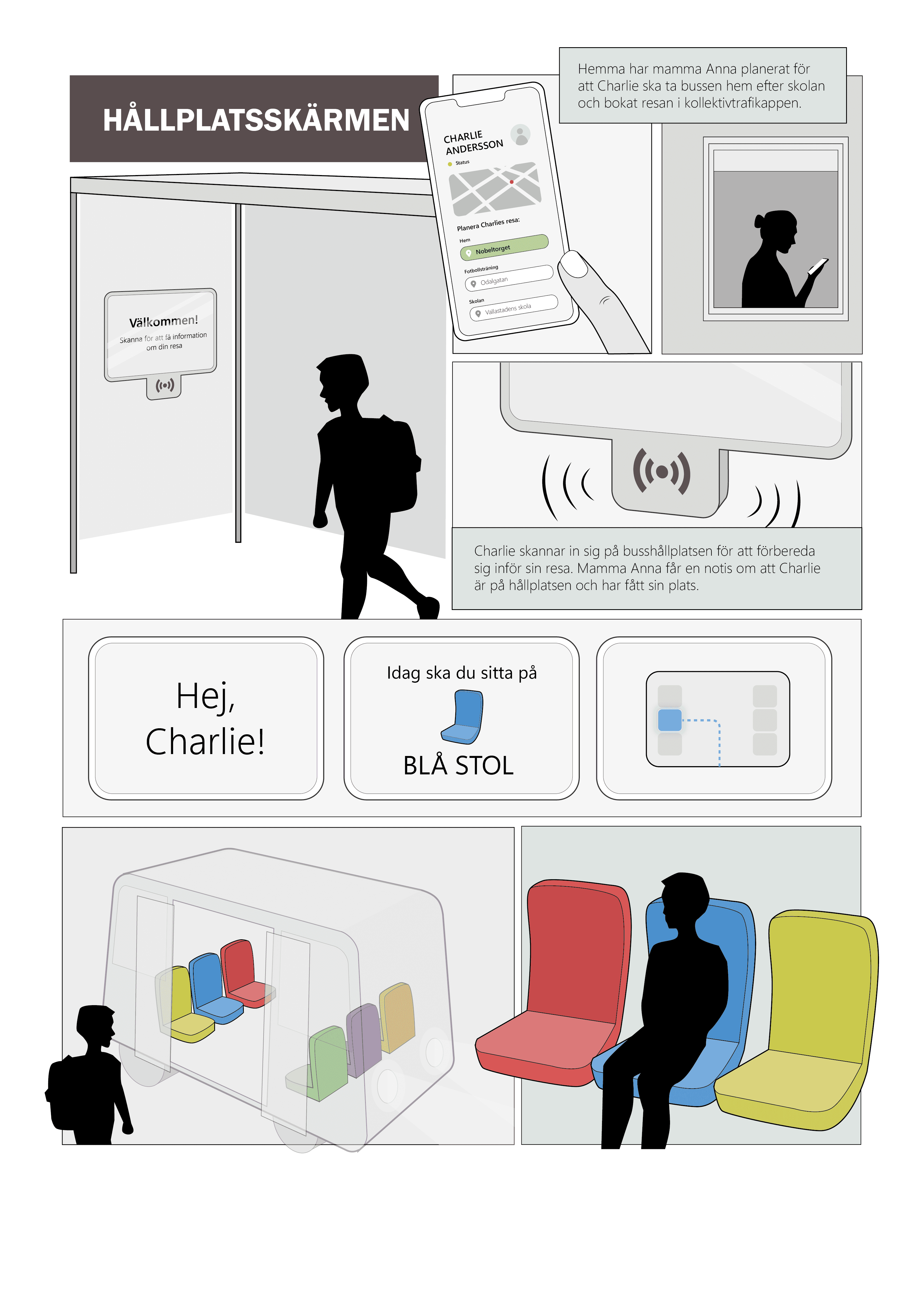
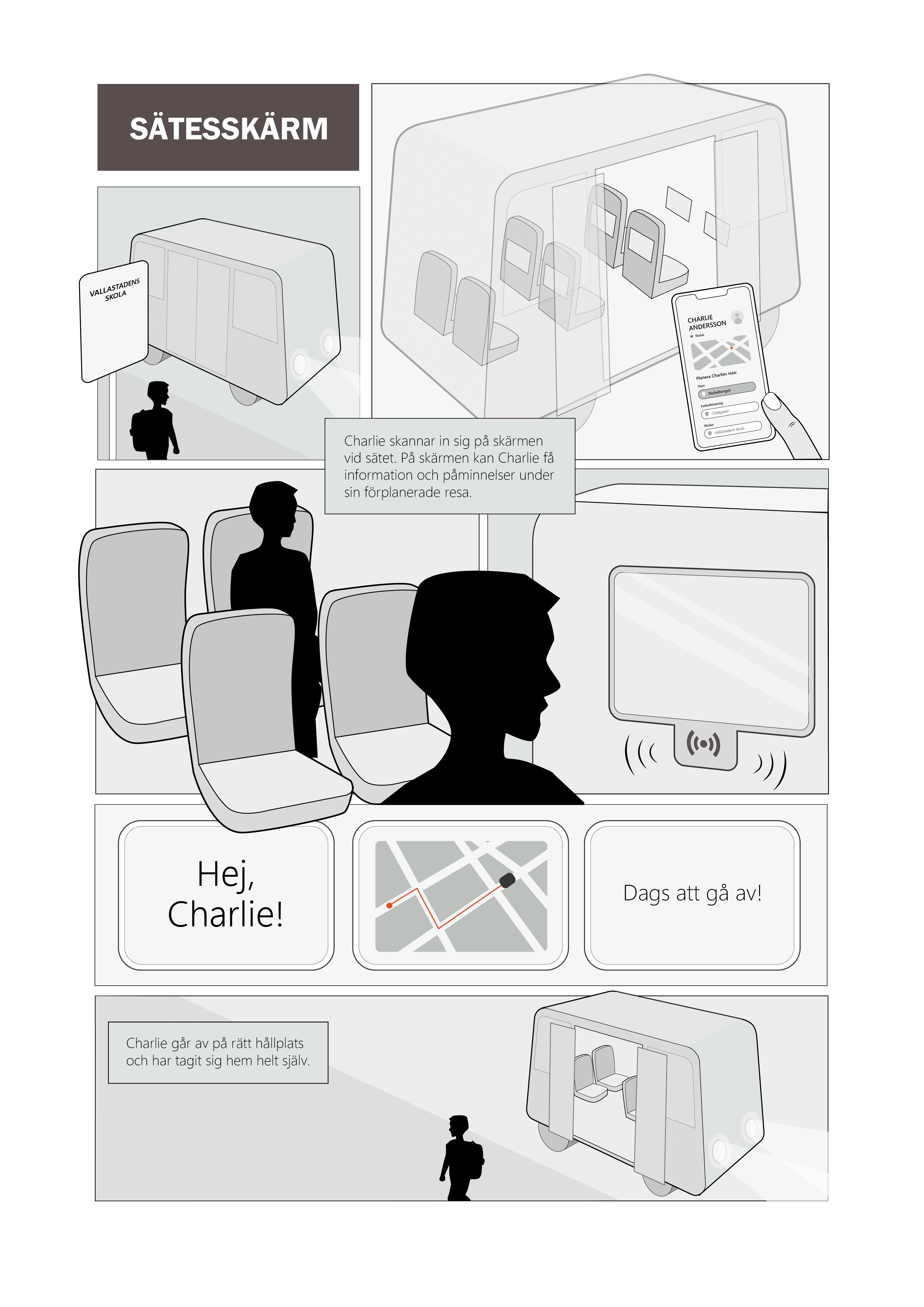
Rather than committing to one solution early, we used ideation and stakeholder feedback to compare different ways of supporting the user before, during, and after the ride. the concept ideation resulted in four broad concept directions that explored different ways of placing support in the journey: in the environment, in the shuttle, or on the user.
Key design decisions
After feedback from stakeholders and parents, the team landed on proceeding with the bracelet concept for a few important reasons:
Support needs to stay with the user throughout the journey
Visual guidance needs to remain available over time
The concept needs to feel personal, not environmental
From bracelet to smartwatch
One of the strongest directions was a wearable concept, first explored as a bracelet. As the interaction became more dependent on visual states, timing, and step-by-step guidance, the concept evolved into a smartwatch format. This allowed the system to combine direct visual communication, journey progress, and time management in one personal interface that stayed with the user throughout the trip.
Concept development
Exploring concept directions
Based on the research insights, the concept development focused on how support could be delivered throughout the journey without becoming distracting or overwhelming. The design work explored several directions for where guidance should live, how it should communicate, and how the journey could be broken into understandable steps.
Main ideation questions
How does the autonomous shuttle communicate its progress?
How do we signal the user what they need to do right now?
Par of one of the sessions brainstorming solutions
Rather than committing to one solution early, we used ideation and stakeholder feedback to compare different ways of supporting the user before, during, and after the ride. the concept ideation resulted in four broad concept directions that explored different ways of placing support in the journey: in the environment, in the shuttle, or on the user.
Key design decisions
After feedback from stakeholders and parents, the team landed on proceeding with the bracelet concept for a few important reasons:
Support needs to stay with the user throughout the journey
Visual guidance needs to remain available over time
The concept needs to feel personal, not environmental
From bracelet to smartwatch
One of the strongest directions was a wearable concept, first explored as a bracelet. As the interaction became more dependent on visual states, timing, and step-by-step guidance, the concept evolved into a smartwatch format. This allowed the system to combine direct visual communication, journey progress, and time management in one personal interface that stayed with the user throughout the trip.
The concept
Designing support that travels with the user
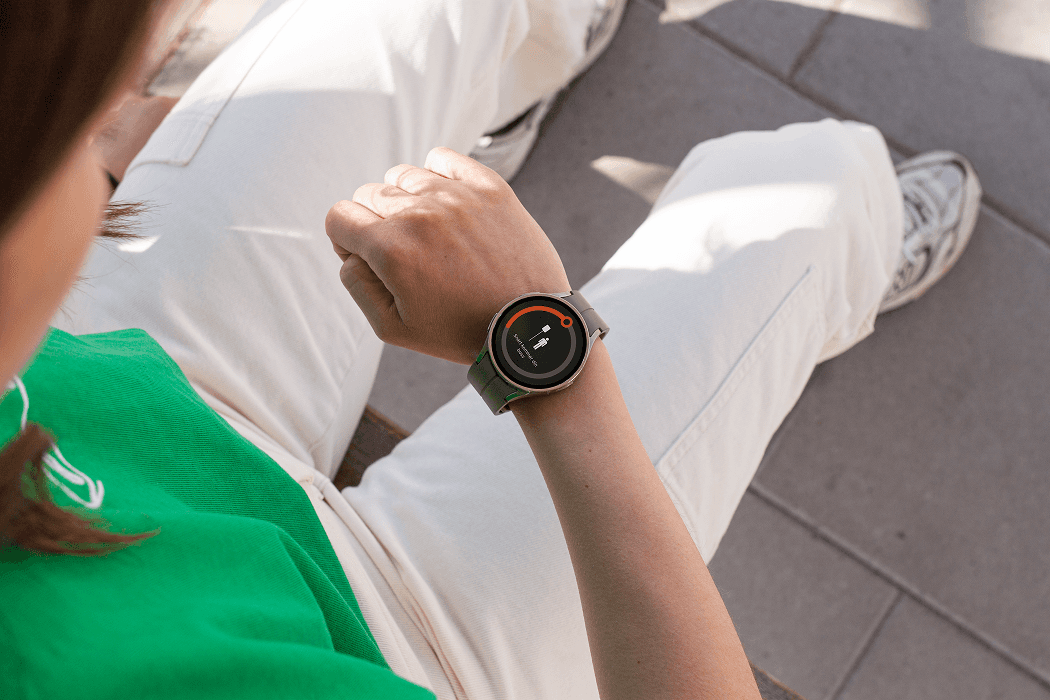
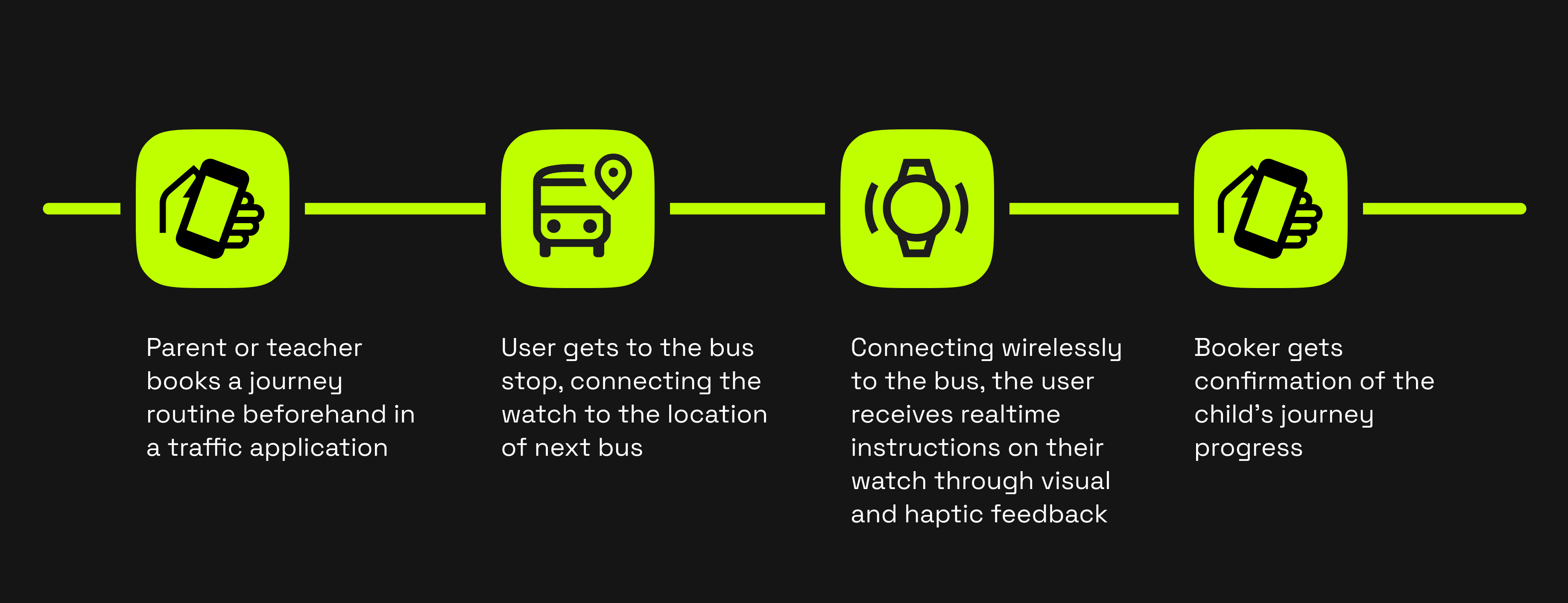
The final concept was a smartwatch-based support system for autonomous bus travel. A journey is pre-programmed in advance by a parent or teacher using a start point and destination, rather than a fixed departure time.
System journey
Main functions
Guide the user through a clear set of states, showing what is happening now and what comes next
TimeTimer-based guidance for predictability
Using haptic feedback for attention and visual support for instructions
Wait for the bus
Board the bus
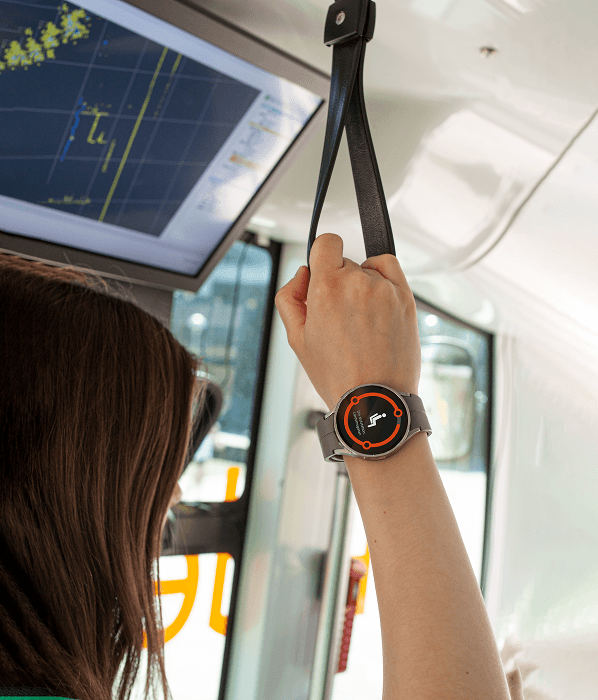
Put on seatbelt
Stops and time left until unboarding
Testing the concept with users in context

To evaluate whether the concept could support independent travel without creating overload or uncertainty, we tested it in two phases with members of the target group.

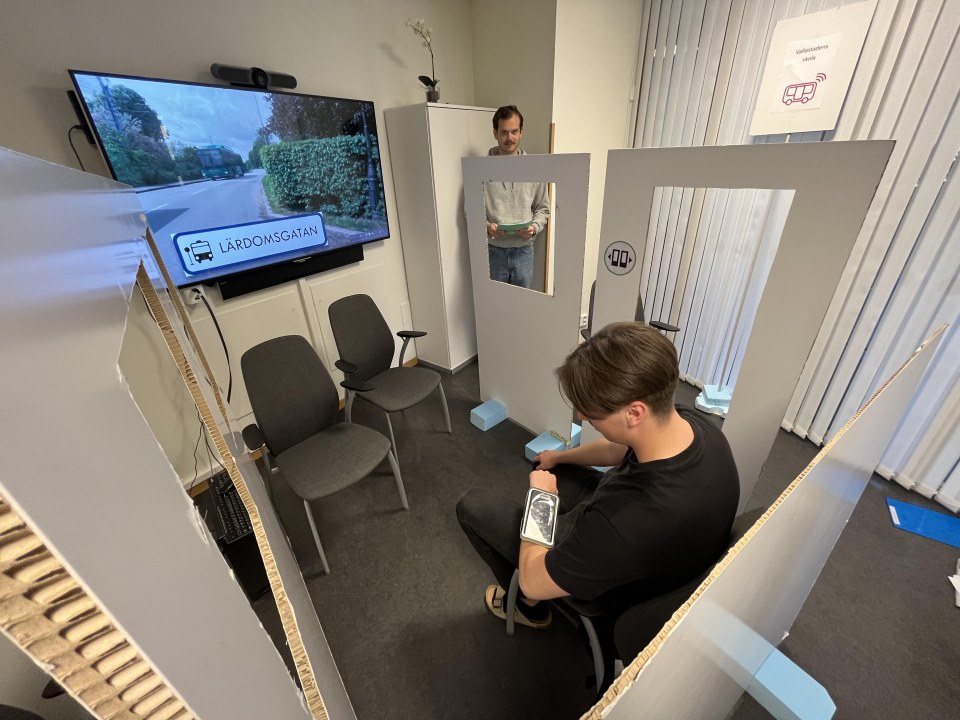
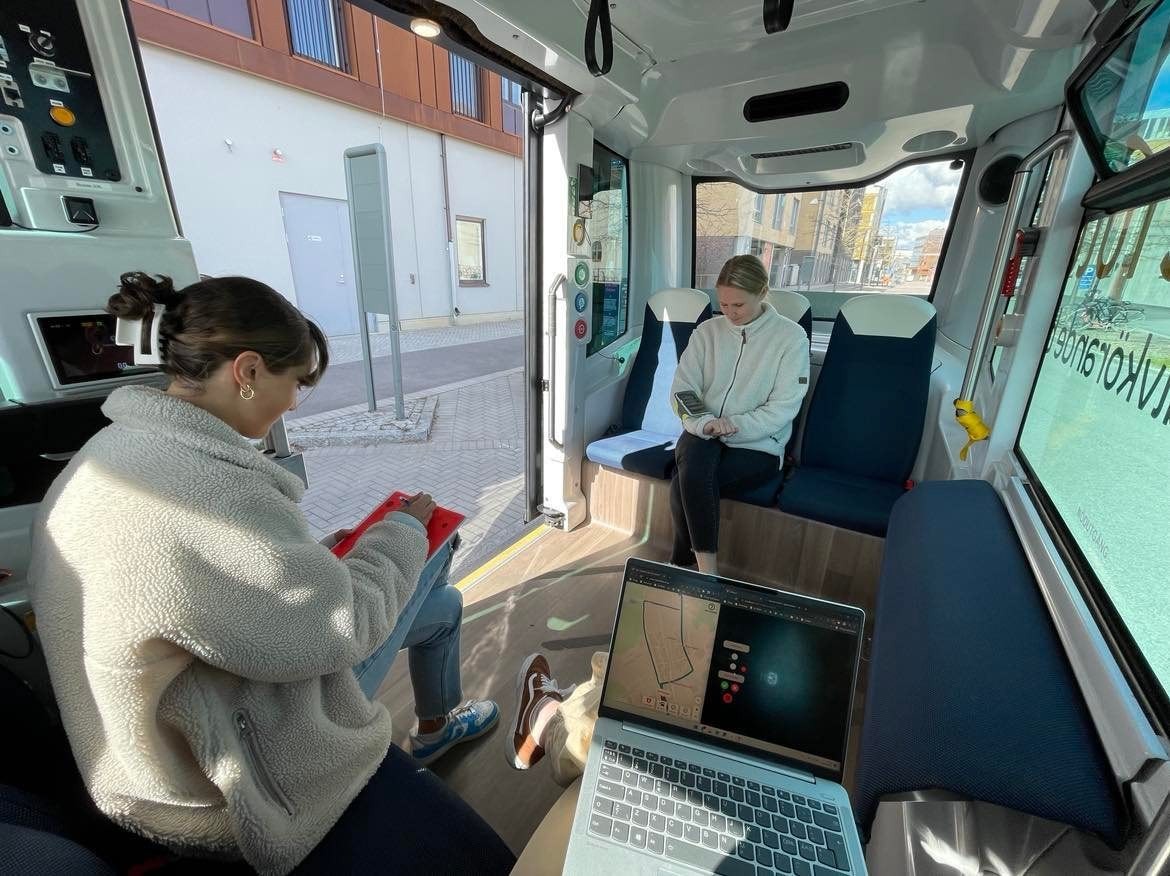
The first phase was a Wizard-of-Oz simulation at the school, using a self-built cardboard bus and a TV screen to simulate the journey in a familiar environment. Once the interaction proved understandable in that setting, the second phase was carried out on the actual bus.
Stage 1: WoZ user tests
Stage 2: Real world tests
Result
7 out of 8 participants were able to complete a real bus ride independently using only the watch for guidance.
The concept
Designing support that travels with the user
The final concept was a smartwatch-based support system for autonomous bus travel. A journey is pre-programmed in advance by a parent or teacher using a start point and destination, rather than a fixed departure time.
System journey
Main functions
Guide the user through a clear set of states, showing what is happening now and what comes next
TimeTimer-based guidance for predictability
Using haptic feedback for attention and visual support for instructions
Wait for the bus
Board the bus
Put on seatbelt
Stops and time left until unboarding
Testing the concept with users in context
To evaluate whether the concept could support independent travel without creating overload or uncertainty, we tested it in two phases with members of the target group.
The first phase was a Wizard-of-Oz simulation at the school, using a self-built cardboard bus and a TV screen to simulate the journey in a familiar environment. Once the interaction proved understandable in that setting, the second phase was carried out on the actual bus.
Stage 1: WoZ user tests
Stage 2: Real world tests
Result
7 out of 8 participants were able to complete a real bus ride independently using only the watch for guidance.
Result
Outcome and learnings
BusBuddy resulted in a tested concept for how wearable support could help children with intellectual disabilities navigate autonomous public transport more independently. By combining pre-programmed journeys, visual guidance, and step-by-step states, the concept translated a complex journey into something more understandable, predictable, and manageable.
The concept was validated in context and later refined into a final visual concept video communicating the full user journey. The project also resulted in a research paper presented at the DRS Conference 2024 in Boston.
Project takeaways
This project taught me that accessible mobility is not only about helping someone reach the right destination, but about making the journey understandable along the way. It also reinforced how important it is to design support that feels enabling rather than controlling, and to test those ideas with the people they are meant for.
Designing for accessibility means designing for confidence, not only usability
Support can enable independence and autonomy instead of limiting it
Working with vulnerable or uncertainty-sensitive users requires extra care in validation
Result
Outcome and learnings
BusBuddy resulted in a tested concept for how wearable support could help children with intellectual disabilities navigate autonomous public transport more independently. By combining pre-programmed journeys, visual guidance, and step-by-step states, the concept translated a complex journey into something more understandable, predictable, and manageable.
The concept was validated in context and later refined into a final visual concept video communicating the full user journey. The project also resulted in a research paper presented at the DRS Conference 2024 in Boston.
Project takeaways
This project taught me that accessible mobility is not only about helping someone reach the right destination, but about making the journey understandable along the way. It also reinforced how important it is to design support that feels enabling rather than controlling, and to test those ideas with the people they are meant for.
Designing for accessibility means designing for confidence, not only usability
Support can enable independence and autonomy instead of limiting it
Working with vulnerable or uncertainty-sensitive users requires extra care in validation
Previous project
Other projects
Next project